Car Door Locked? Tools vs Locksmith in Catherington
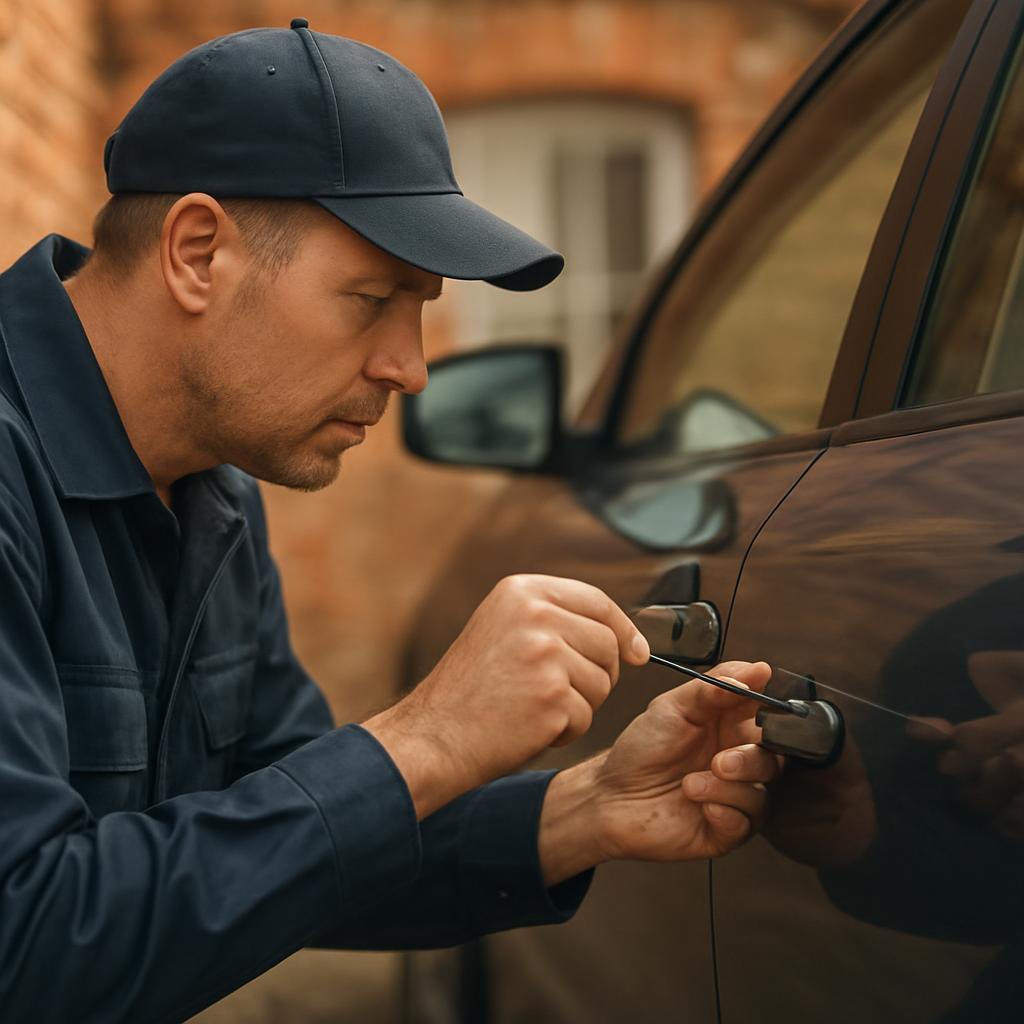
Find Out More →If your car door's locked and you're stuck outside, there are a few tools that can work: a slim jim (a flat metal strip that slides between the window and door frame), an air wedge (inflatable tool that creates a gap), or a long reach tool designed specifically for unlocking cars. A sturdy wire coat hanger can also work in older vehicles with simpler lock mechanisms. But—and this is important—just because a tool can open a door doesn't mean you should use it, especially if you're not experienced. There's a real risk of damaging your door frame, window seal, or the lock itself, which often ends up costing far more than calling a locksmith from the start.
I've lived in Catherington long enough to see people try the DIY route, and more often than not they end up making things worse. If you're facing this right now, the rest of this post walks through what actually works, what can go wrong, and when it makes sense to just ring a professional.
Tools that might work—and why they often don't
Let's be clear: some tools genuinely can unlock a car door. The slim jim is the most common one. It's designed to slip into the gap between your door and window frame and manipulate the lock rod inside. An air wedge does similar work by creating enough space for you to reach in and trigger the lock button. Both of these exist because they can work.
The catch is execution. Modern cars have reinforced door frames and more complex locking systems than they did ten years ago. If you don't know exactly where the lock rod is, or you apply pressure wrong, you can bend the door frame so it won't close properly, crack the window, or snap the lock mechanism entirely. I know someone who tried opening their own car with a wire hanger near Church Road and ended up with a cracked door seal—water got in, mold followed, and the repair bill was triple what a locksmith would have charged.
Online videos make it look straightforward. But there's a reason those work best on older vehicles with simpler mechanical locks. If you're driving anything from the last 10–15 years, you've likely got power locks, electronic components, and tighter tolerances that make amateur attempts risky.
What can actually go wrong
The damage I see most often falls into a few categories. First, there's cosmetic damage: scratched paint, dented door panel, or a bent frame. Second is mechanical damage—the lock itself gets stuck or stops working, the window regulator gets bent, or the seal gets compromised. Third is water damage, which shows up later and can be the most expensive to fix.
Even if you get the door open successfully, you might not realize the lock is now slightly misaligned until weeks later when it starts sticking or won't unlock at all. By then the warranty on any DIY fix is long gone.
There's also the security angle. If you're using unconventional tools to open your own car, you're essentially using the same technique a thief would use. That means your lock security has been compromised whether or not the lock itself still works. A professional locksmith, on the other hand, has the right tools and can open your car without damaging anything.
Red flags before you try it yourself
A few things should tell you to stop and call a locksmith instead. If your car is less than 10 years old, the risk-to-reward ratio isn't in your favour. If you've never done this before, you're learning on your own car—not ideal. If you don't have the right tool (actual slim jim, not a makeshift wire), you're improvising with something that wasn't designed for the job.
Also consider where you are. If you're stuck in the car park near Catherington Down or anywhere busy, you're more visible trying to manipulate your door, and you're also stressed because people are watching. Stress makes mistakes more likely.
There's also the lockout insurance question. If your car keys are locked inside, some roadside assistance plans or car insurance policies include lockout coverage. Check your policy first—you might already be covered for a professional call.
When to call a locksmith instead
Honestly, most of the time you're better off calling a locksmith. Here's why: a good locksmith has the right tools, the experience to avoid damage, and the speed to get you back in your car without incident. Knowing when to call a locksmith saves you time, money, and stress.
If you're in Catherington and locked out of your car, calling a local locksmith means someone who knows the area can be with you quickly—much faster than waiting for roadside assistance from a national service, which can take an hour or more. A professional can also advise on whether your lock has been compromised and whether you need to replace it for security reasons.
The cost difference isn't usually what people think either. A locksmith visit for a car lockout is typically £60–£150, depending on the time and complexity. If you damage your door frame or lock trying the DIY method, you're looking at £200–£500 in repairs. The math is simple.
What to look for in a Catherington locksmith
If you do decide to call a professional, pick carefully. Local businesses that rely on quality locksmiths can often recommend someone trustworthy. Look for someone who can arrive quickly, is transparent about pricing before they start, and has experience with your type of vehicle. A genuine locksmith will carry proper identification, can explain what they're doing as they work, and won't charge you extra for unexpected complications.
Avoid anyone who won't give you a quote upfront, claims they can unlock any car in seconds, or pressures you into additional services you didn't ask for.
Bottom line: the tool to open your car door might exist in your garage or toolbox, but that doesn't mean it's the right choice. If you're locked out, locked out in Catherington and need it sorted properly and fast, get in touch with Locksmith Catherington. We'll have you back in your car without the risk—or the regret.
Looking for Locksmith near Catherington?
We have secure, flexible units available in the area. Get in touch with Locksmith Catherington today.
Find Out More →